
Keno – How It Works and What to Check
Keno is listed in the cards category at Club Ph. To get started, read the rules shown in the game, make a selection only after checking the available options, and review the result when the round is settled.
In short, a Keno round is best approached by understanding its own on-screen selection and draw rules before confirming anything. Treat any demo option as a way to learn the interface—not as a forecast of a later result.
Only continue if you understand the displayed rules and can keep the session within a limit you chose beforehand.
More games in the cards category
These compact listings offer other titles in the same category. Open the existing detail page for 5 Card Poker, or use a promotional entry to browse the remaining games.


What happens during a Keno round?
Answer: Check the rules, make any permitted selection, confirm it before the round closes, then read the displayed result and settlement. The precise controls, selection limits, and timing are specific to the version shown in the game, so use that screen as the source of truth.
- Review the rules. Locate the game instructions and learn how selections are made, when a round accepts entries, and how the result is presented.
- Inspect the available choices. The Keno interface may show a number board or other selection controls. Confirm what each control means instead of relying on assumptions about another version.
- Set a personal limit. Decide in advance how much time and money, if any, you are willing to spend. Do not use borrowed funds or essential household money.
- Confirm only once you are ready. Check the selection and any stake displayed before submitting. If the screen is unclear or connectivity is interrupted, pause and wait for its status to update rather than repeatedly tapping.
- Follow the round to completion. Wait for the game to show the draw or outcome and any settlement information. Review the history or help panel if the result is not clear.
- Stop at your preset boundary. A win does not require extending a session, and a loss is not a reason to chase another round. Close the game or take a break when your time or spending limit is reached.
This sequence is a cautious way to navigate a Keno-style number game, not a claim that every release uses identical stages. Before trying Keno Demo, verify that the mode is actually offered and whether it changes any settings; a practice interface cannot establish future outcomes or guarantee that real-play behavior will match.
For a different type of game experience, the rules and pace of Sabong are not a substitute for Keno instructions. Compare each title on its own terms and move between them only when you understand the distinct controls.
How should you assess Keno before playing?
Start with the written rules and the cost of a round. A sensible choice is one whose selection process, round timing, and displayed terms you can explain back to yourself before confirming. If any of those points are missing, do not guess; pause and seek clarification.
Rule clarity
Look for a plain explanation of what can be selected and how a round concludes. Do not infer a payout table from the game's name or artwork.
Timing and pace
Check whether the game displays a selection window or countdown. Choose a pace that leaves time to read and verify before confirmation.
Stake and limits
Read the current amount and available limits on screen. Keep the session affordable and avoid increasing a stake to recover a previous loss.
Result and history
Know where the game reports the completed round. If the display and your understanding differ, save the relevant details and contact official support.
Comfortable access
Make sure text and controls are readable on your device, and use a stable connection. A smaller screen should not force rushed decisions.
Personal readiness
Play only when calm and able to stop. If the activity is affecting finances, sleep, or relationships, step away and seek appropriate help.
There is no reliable checklist that turns a random draw into a predictable one. Selection criteria help you decide whether the experience is understandable and within your limits; they do not identify a winning combination. The same caution applies when browsing Club Ph Keno through the Club Ph app casino experience or following a Club Ph link: verify that you reached the intended official page and review terms before taking action.
When comparing a number game with a slot title such as Golden Empire, distinguish the mechanics rather than assuming they share odds, controls, or payout rules. Only the specific game's displayed information can describe that release.
What the Keno image can—and cannot—tell you
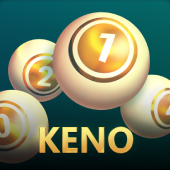
This is the game's catalog icon, not a captured round. It identifies Keno in the cards category but does not document a live interface, a number draw, a payout, or a result. Treat it as a visual cue only.
When the game opens, begin by locating its rule or help control. Identify the selection area, the confirmation action, and where a completed outcome appears. This simple visual orientation can prevent mistaken taps, especially on a phone where controls may be close together.
Do not read strategy, return percentages, or a streak pattern into a static image. The graphic cannot establish whether a particular option is available in your session, nor can it show the chance of any outcome. For a practice mode, look for an explicit label and distinguish simulated credits from real funds.
Before submitting a choice, pause long enough to verify the selected items and displayed amount. After the round, make sure the interface has reached a settled state before navigating elsewhere.
What players should look for in a Keno session
A useful review focuses on clarity, control, and comfort—not unverified claims of winning. Instead of presenting invented testimonials, this guide summarizes practical questions a player can ask while evaluating the experience.
Can I understand the round without guessing?
Check whether the instructions explain the selection stage, the time allowed, and how the outcome is shown. A newcomer should be able to identify the next action without relying on promotional wording or a prediction from another player. If the labels are confusing, stop before committing a stake.
Does the interface make verification easy?
Look for a clear summary before confirmation and a visible result after the round. On a mobile screen, take care not to confuse a selection control with a submit action. Wait for any pending state to resolve instead of tapping repeatedly when the connection is slow.
Can I keep the activity within my plan?
Decide your time and spending limits before opening the game. A good personal experience means being able to follow those boundaries, not necessarily winning a particular round. If you find yourself extending the session to recover a loss, stop and take a break.
Are claims supported by the game itself?
Separate verified rules from anecdotes, rankings, and claims that a number is “due.” Past results do not make a future draw predictable. Only trust current terms that are displayed by the game or published through the relevant official information channel.
These questions can also help when comparing Keno with another title. For example, Dragon Ball belongs to a different category in the catalog, so its presentation should be assessed separately instead of being treated as evidence about Keno mechanics.
Keep the review grounded
- Check the game name and category before starting.
- Read current rules and terms, not assumptions from a different release.
- Use demo only if the game explicitly offers it.
- Do not treat reviews or previous outcomes as a guarantee.
- Keep a clear stop point for time and spending.
The essential points to remember about Keno
In brief: Keno is listed as a cards game; read its own rules, verify your selection and stake, wait for the round to settle, and do not treat prior results as a prediction. A demo, if present, is for familiarization only.
For Club Ph Keno, the clearest next step is not to search for a guaranteed pattern; it is to confirm that you understand the active version and its terms. Consider Keno Demo only if an explicit practice option is available, and remember that practice cannot promise a later result.
If anything about the amount, selection, or status is unclear, pause and consult the game's help or official support. Keep account credentials private, never use money needed for essentials, and take a break if play stops feeling manageable.